Kingston Council permits for flower stalls Market Place
Posted on 11/10/2026
If you are trying to set up a flower stall in or around Kingston Market Place, the permit side of things can feel more complicated than the flowers themselves. One minute you are thinking about buckets, card, and a neat display of seasonal blooms; the next you are worrying about permissions, pitch rules, and whether you are actually allowed to trade where you want to stand. This guide brings that into focus. It explains Kingston Council permits for flower stalls Market Place in plain English, so you can understand what usually matters, what to check first, and how to avoid the kind of avoidable headache that stalls people out on a busy morning.
To be fair, this is one of those topics where the details really do matter. A flower stall is not just a table with roses on it. It is a public-facing trading setup, often in a high-footfall area, where access, safety, licence conditions, and market coordination all come into play. Let's break it down properly.
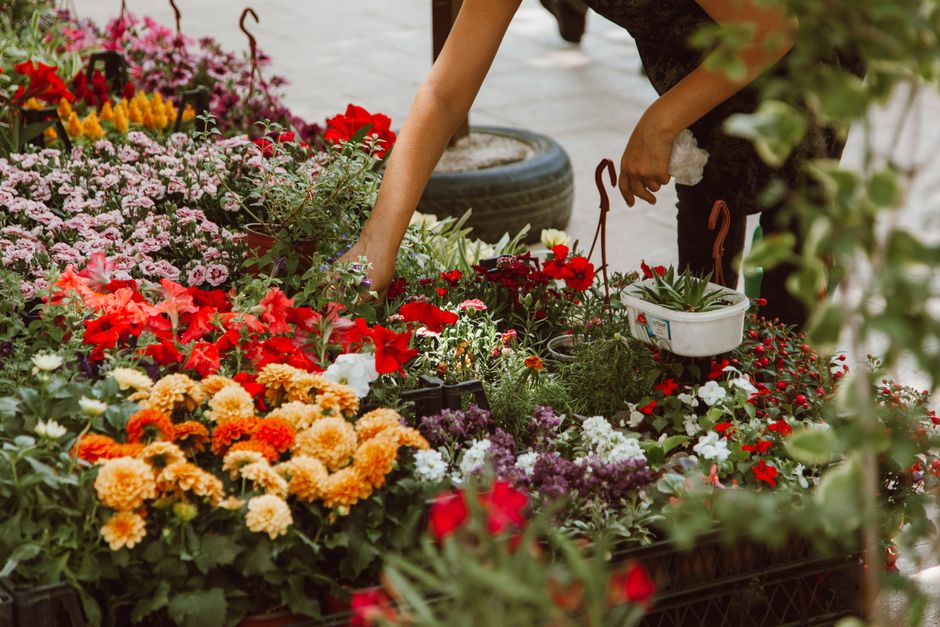
Why Kingston Council permits for flower stalls Market Place matters
A flower stall in Market Place is a visible business. That sounds obvious, but it is exactly why permission matters so much. You are not trading from a hidden workshop or an online listing. You are working in public, where the council, market operator, and surrounding businesses all have an interest in how the stall is run.
Getting the right permission helps with four things straight away: legitimacy, location, continuity, and confidence. Legitimacy means customers can see you are operating properly. Location means you are not risking a move-on or conflict over pitch use. Continuity means you can return to the same trading spot rather than improvising each day. Confidence means you can actually focus on selling flowers, not wondering if someone is about to ask for your paperwork.
There is also a very practical side. A market environment is crowded, and flowers need space, water, shade where possible, and a sensible setup so pedestrians are not squeezed. If you have ever watched a busy market on a damp Friday morning, you will know how quickly a neat stall can become awkward if it is not planned well. One trolley too many, one wet pavement, and suddenly everyone is negotiating around each other.
In short, permits are not just bureaucracy. They are part of keeping the stall workable, safe, and commercially realistic.
Expert summary: If you want a flower stall in Market Place to trade smoothly, treat the permit as part of the business model, not an afterthought. The best stalls are usually the most organised ones.
How Kingston Council permits for flower stalls Market Place works
The exact process can vary depending on whether the stall is part of a managed market, a temporary trading arrangement, or a longer-running pitch agreement. That said, the basic logic is usually similar. You identify the correct authority or market operator, confirm that flower trading is allowed in the intended location, and apply for the right form of permission before you trade.
In many town-centre settings, the permission may involve more than one layer. For example, there may be a market pitch agreement, street trading consent, estate or landowner permission, and practical conditions covering set-up times, stall size, waste disposal, and public access. That sounds like a lot, because it is. But once you understand the layers, it becomes much more manageable.
Here is the simple version: you are usually checking three things.
- Whether the pitch is available for flower sales
- Whether you are eligible to use it
- What conditions apply once you are there
If the stall is operating in a formal market environment, the pitch may already be designated for trade. If it is a public-space stall, the approval could be more selective and tied to location, trading hours, and footfall management. Either way, you should assume that informal arrangements are risky. A quick verbal agreement in the morning does not always protect you later. Honest truth.
Good practice is to keep written proof of permission, a clear record of any pitch terms, and up-to-date business details. If the council or market team needs to confirm who is trading, you want that information easy to show.
For traders who also offer delivery, a local online presence can help balance footfall sales with pre-orders. For example, a florist operating a stall may also support nearby customers through flower delivery in Kingston KT1 or even same-day service for last-minute buyers. That can make the stall less dependent on one moment of passing trade.
Key Benefits and Practical Advantages
Once the permit side is handled properly, the benefits become obvious quite quickly. A licensed or authorised stall tends to be easier to run, easier to promote, and less stressful to manage day to day.
1. Better trading stability
With permission in place, you are less likely to face uncertainty about where you can set up or how long you can stay. That stability matters, especially for flowers, which are time-sensitive and look best when displayed confidently rather than rushed.
2. More trust from customers
People buying flowers often make quick decisions, but they still notice professionalism. A tidy stall, clear pricing, and a proper trading setup make a strong impression. In a market place, trust is visual. You can almost feel it when people slow down, look twice, and come back after a lap of the square.
3. Smoother operations
With a proper pitch or permit, you can plan your stock, water containers, signage, and opening times around a known routine. That reduces waste and helps you manage fresh inventory better.
4. Easier growth
If you start small and later expand, having a compliant foundation makes it easier to scale. You can add seasonal ranges, gift add-ons, or pre-order options without reinventing the whole setup.
5. Better alignment with the local market environment
Kingston town centre and Market Place are busy, mixed-use spaces. A stall that respects the flow of people, neighbouring businesses, and public access tends to do better over time. It sounds simple, but it really is one of those quiet advantages that pays off.
And yes, customers do notice whether your stall feels temporary or well-rooted. They may not say it out loud, but they absolutely notice.
Who This Is For and When It Makes Sense
This topic is relevant to several types of traders, not just established florists. You might be:
- a florist wanting to trade in Kingston Market Place
- a seasonal trader planning a Valentine's Day, Mother's Day, or Christmas flower stall
- a local business testing physical retail before committing to a shop lease
- a wedding or event florist looking for temporary local visibility
- a small grower or flower seller with stock to move quickly and fresh
It also makes sense for businesses that already sell online and want a local public-facing presence. For instance, a shop that handles send flowers in Kingston orders may find that a market stall brings in walk-up customers who later order again for birthdays, anniversaries, or sympathy occasions.
When does a stall make the most sense? Usually when you can answer yes to most of these:
- You can keep stock fresh and attractive through the trading day
- You are prepared to manage set-up and pack-down efficiently
- You have enough margin to make market trading worthwhile
- You can handle weather changes, footfall swings, and seasonal demand
- You are comfortable dealing with the public face-to-face
If that sounds like you, then permission is not a hurdle so much as a doorway. A slightly annoying doorway, maybe. But still a doorway.
Step-by-Step Guidance
Below is a practical route to follow. It is deliberately simple, because in real life people need clear steps, not a wall of theory.
1. Confirm the exact trading location
First, identify the exact spot in Market Place you want to use. "Kingston Market Place" sounds specific, but permissions can differ by pitch, frontage, or market zone. Even a small location change can affect what approval is needed.
2. Check whether flower stalls are allowed there
Do not assume every open area is available for flower trade. Some spaces are reserved, some are temporary-use only, and some may have strict conditions on display furniture or footway clearance.
3. Understand the permission type
Ask whether you need a stall permit, pitch booking, market trader agreement, street trading consent, or a separate landowner approval. Sometimes more than one is relevant. It depends on how the site is managed.
4. Prepare your business details
Keep your trading name, contact details, public liability insurance details where required, and any identification or business registration details ready. If you are dealing with fresh stock in public space, being organised helps immensely.
5. Set out your stall plan
A simple plan should explain what you will sell, how large your stall will be, what equipment you will use, and how you will keep the area tidy and accessible. If your setup includes buckets, table covers, signage, or card payment equipment, say so clearly.
6. Apply or book in the approved way
Submit the correct request using the process required for the location. Avoid informal shortcuts. They save time for exactly five minutes, and then cause an afternoon of chasing.
7. Review the conditions carefully
Look for details on opening hours, waste handling, stall dimensions, loading times, noise, access routes, and any restrictions on gazebo use or display placement. These small conditions can affect your trading day more than people expect.
8. Plan for the real-world running of the stall
Once approved, think like a trader, not just an applicant. How will you protect blooms from midday sun? Where will water go? How will you secure the stall if the wind picks up? What happens if a delivery arrives late? These are the little things that separate a smooth day from a messy one.
Expert Tips for Better Results
In our experience, the best flower stalls are the ones that look calm even when the day is not. That does not happen by accident. A few habits make a big difference.
- Keep the front display simple. Too many varieties can look busy. A focused mix of roses, lilies, seasonal stems, and one or two value buckets often sells better than a chaotic rainbow.
- Use clear price markers. People buy faster when they know what things cost. It removes the awkward "how much is that?" moment.
- Protect flowers from heat and wind. Even short bursts of bad weather can affect appearance. A slight droop at 2pm can mean lost sales.
- Match stock to the day. Weekends, holidays, and local events can change demand. A smart trader adjusts rather than over-ordering blindly.
- Build a fallback plan. If one pitch is unavailable, can you shift stock to delivery, pre-orders, or a different legal selling point?
A small but useful point: keep a few premium pieces ready for impulse buyers. One elegant bouquet can lift the whole stall. People often start with "just a bunch" and then spot something better. That moment matters.
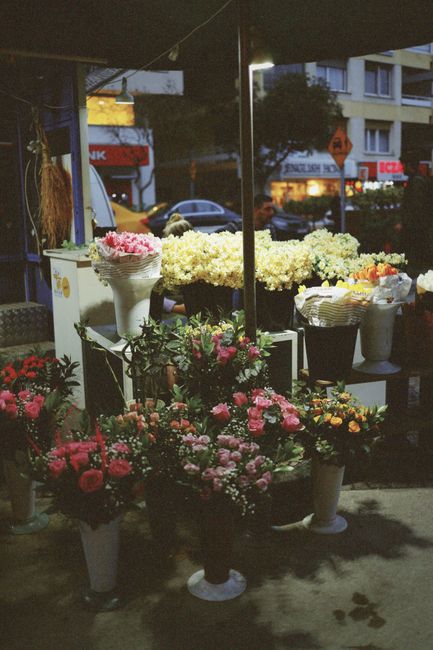
And yes, a neat stall also photographs better. Which is useful, because customers do like to take a quick picture before they buy, even if they pretend they are "just checking the colours".
Common Mistakes to Avoid
Most problems around flower stall permissions are not dramatic. They are small, boring oversights that become annoying later. Here are the usual ones.
- Assuming permission is automatic. It rarely is. A visible market space usually has rules, even if they are not obvious at first glance.
- Using the wrong pitch. One spot may look free but still be reserved, unsuitable, or limited to another type of trader.
- Ignoring access needs. Flowers need space, but so do pedestrians, wheelchair users, families with buggies, and delivery movement.
- Underestimating weather. A sunny morning can turn into a damp, windy afternoon very quickly.
- Failing to keep paperwork handy. If someone asks for proof, you want the answer to be immediate.
- Overloading the stall. Too much stock can make the display messy and slow down sales.
- Forgetting waste and water management. Empty sleeves, broken stems, and spillages need a plan.
One more thing: do not rely on memory for any conditions you were given. Write them down. Markets are noisy places, and the details slip away. They just do.
Tools, Resources and Recommendations
You do not need a complicated system to run a flower stall well, but you do need a few sensible tools and processes.
| Need | Useful approach | Why it helps |
|---|---|---|
| Pitch and permission tracking | Keep a simple document with dates, contact names, and conditions | Stops confusion and helps with renewals or checks |
| Fresh stock control | Use a daily stock list and reorder note | Reduces waste and missed sales |
| Display planning | Group flowers by colour, price, or occasion | Makes the stall easier to buy from |
| Weather protection | Bring covers, weights, and water containers | Protects stock and presentation |
| Customer options | Offer card payments and quick-wrap choices | Improves convenience and speed |
For product inspiration and range planning, it can help to look at what a strong local florist assortment actually covers. A site with a broad selection such as florist Kingston KT1 can remind you how many occasions a market stall may need to serve, from birthdays to sympathy flowers.
If your business model includes strong same-day fulfilment, you may also want to think about same-day flower delivery in Kingston KT1 as a companion service. It gives customers another way to buy, especially if they do not want to carry flowers home after the market.
And because fresh flowers are, well, fresh, basic care matters too. Even a quick refresh of stems, water level, and display position can make a visible difference during the day.
Law, Compliance, Standards, or Best Practice
Here we need to be careful and practical. The exact legal and regulatory position depends on how the stall is operated and what type of permission is being granted. In the UK, public trading can involve local market rules, street trading controls, health and safety duties, business insurance expectations, and conditions attached to the site itself.
That means the safest approach is not to guess. You should confirm the trading route for the exact location and follow the stated conditions closely. If the stall is on council-managed land, there may be operational requirements around access, obstruction, waste, conduct, and hours. If it is part of a private market arrangement, the trader agreement may be the key document. Sometimes both matter.
Common best-practice points include:
- keeping walkways clear
- using stable stall equipment
- managing spill risks from water containers
- storing stock safely
- maintaining appropriate insurance where required
- respecting neighbouring traders and customers
If you sell flowers alongside gifts or cards, make sure the whole setup still works as a safe, tidy trading space. For example, a display that looks lovely at 8am can become cluttered by lunch if the wrapping station is not organised. It happens. More than people admit.
For a local florist, wider compliance pages can also be useful background reading. Operational pages such as delivery information, returns and refund guidance, and terms and conditions help show how the business handles customer expectations beyond the stall itself.
Options, Methods, or Comparison Table
If you are deciding how to trade, it helps to compare the most common routes. Not every flower seller needs the same setup.
| Option | Best for | Pros | Watch-outs |
|---|---|---|---|
| Market stall with formal permission | Traders wanting visibility and repeat trade | Stable presence, strong footfall, direct customer contact | More conditions, regular compliance, weather exposure |
| Temporary pop-up stall | Seasonal or trial trading | Flexible, lower commitment, good for testing demand | Less continuity, may need repeated approvals |
| Online-first with local delivery | Businesses focused on convenience | Broader reach, easier stock planning, can trade from one base | Less walk-in visibility, depends on logistics |
| Hybrid stall plus delivery | Growth-minded florists | Multiple sales channels, stronger brand presence | Requires better stock and order management |
For many traders, the hybrid model is the sweet spot. The stall brings the eye contact and local recognition; delivery catches the people who are in a rush or simply do not want to carry a bouquet home on the train. A practical combination, really.
Case Study or Real-World Example
Imagine a small florist who wants to trade in Kingston Market Place on Thursdays and Saturdays. They already make hand-tied bouquets and sympathy arrangements, but they have mostly sold through delivery and repeat local orders. The idea is to use the market to attract new customers and create more visibility in town.
At first, they focus on the flowers and overlook the pitch details. The stall looks lovely in their mind, but the market team wants the setup plan, hours, and public-space clearance agreed in advance. Once they sort that out, the whole operation improves. They narrow the range to a few high-performing lines, add clearer pricing, and keep a separate bucket for quick impulse buys.
What changes? A few things, and all of them practical. People stop by more readily because the stall looks open and easy to understand. Staff spend less time fussing over stock because the plan is tighter. And because the florist also supports local order fulfilment through next-day flower delivery in Kingston KT1, they can turn market interest into later orders.
The key lesson is not that the permit itself sells flowers. It does not. But the right permission creates the conditions for a stall to feel dependable, and dependable stalls tend to do better. Simple as that.
Practical Checklist
Before you commit, run through this checklist. It saves time, and it catches the little things that can trip you up.
- Have you confirmed the exact Market Place trading location?
- Do you know what type of permission is required?
- Have you checked whether flower stalls are allowed at that pitch?
- Do you understand the opening times and trading conditions?
- Have you prepared proof of business details and insurance if needed?
- Is your stall layout clear, safe, and easy to set up?
- Can customers move around the stall without obstruction?
- Have you planned for water, waste, and weather protection?
- Is your pricing easy to read from a short distance?
- Do you have a backup plan if the pitch or weather changes?
Quick practical takeaway: if your permission, display, and stock plan all make sense on paper, the live stall is far more likely to work in real life. That is the sweet spot.
If you are at the stage of turning the idea into action, start by checking your route carefully and then shape the stall around the trading rules, not the other way round.
Get a free quote today and see how much you can save.
Conclusion
Kingston Council permits for flower stalls Market Place are really about creating a workable trading setup. Once the permission side is clear, everything else becomes easier: the stall looks more professional, the trading day feels calmer, and customers can focus on the flowers instead of wondering whether the setup is legitimate.
The best approach is steady and practical. Confirm the exact pitch, understand the trading conditions, keep your paperwork organised, and design the stall so it is easy to use under real market conditions. That combination gives you the best chance of making the stall worthwhile, not just allowed.
And if you do it well, there is something genuinely satisfying about it. A good flower stall on a cool Kingston morning, buckets fresh, colours bright, people stopping by on their way through town. It feels alive, in the best way.
Frequently Asked Questions
Do I need a permit to sell flowers in Kingston Market Place?
In most cases, yes, you should expect some form of permission, pitch agreement, or trading approval before selling flowers in a public market setting. The exact requirement depends on the specific location and how the area is managed.
Is a market stall permit the same as street trading permission?
Not always. A market pitch agreement and street trading permission can be different things, and sometimes both are relevant. It depends on whether the stall is within a formal market, on council-managed land, or in another public trading space.
Can I sell flowers temporarily for a seasonal event?
Often yes, but temporary trading still usually needs approval. Seasonal periods like Valentine's Day, Mother's Day, and Christmas can be busy, so it is sensible to check availability well ahead of time.
What details should I prepare before applying?
Have your business name, contact details, a stall plan, trading dates, and any required insurance or documentation ready. The more clearly you present the stall, the easier it is for the permission process to make sense.
How far in advance should I arrange permission?
As early as you can. Good pitches can fill quickly, and seasonal flower trading can move fast. If you leave it late, you may end up with fewer options or a pitch that does not suit your setup.
Can I combine a flower stall with online delivery?
Yes, and for many businesses that is a smart approach. A stall builds visibility and foot traffic, while delivery gives customers a convenient way to order later. It is a solid mix when managed well.
What are the most common reasons a stall application gets delayed?
Usually it comes down to missing information, an unclear pitch plan, or uncertainty about the exact location. Sometimes the application is fine, but the applicant has not identified whether the pitch is actually available for flower trading.
Do I need special equipment for a flower stall?
Not necessarily special, but definitely practical. Stable tables, water containers, wrapping materials, weather protection, signage, and tidy storage all help. A flower stall looks simple; behind the scenes, it needs to be organised.
How do I make the stall look professional?
Keep the display neat, group flowers clearly, show prices, and avoid overcrowding. Fresh-looking stock and a tidy layout make a much bigger difference than people expect. First impressions are fast.
What should I do if the weather turns bad during trading?
Have a fallback plan. Use covers, weights, and containers that keep flowers stable and upright. If conditions worsen, you may need to reduce display size or adjust stock positioning to protect the blooms.
Is there a difference between a one-off stall and a regular pitch?
Yes. A one-off stall is usually temporary and may involve a simpler approval process, while a regular pitch often comes with more structure, expectations, and consistency. Regular trading can be better for planning, but it also asks for more discipline.
What is the safest next step if I am not sure what permission I need?
Start by identifying the exact pitch and the trading arrangement for that location. Once you know whether it is a market pitch, a council-controlled space, or another setup, the right permission route becomes much clearer.