Kingston wedding flowers case study a Canbury Gardens ceremony
Posted on 02/10/2026
If you are planning Kingston wedding flowers case study a Canbury Gardens ceremony, you are probably looking for more than pretty pictures. You want to know what actually works on the day: what feels elegant in a riverside setting, what survives the usual wedding-day bustle, and how to choose flowers that look good in real life, not just in a mood board. That is exactly what this guide is for.
Canbury Gardens has a very particular feel. Calm, local, a little green around the edges, and quietly lovely without trying too hard. That matters when you are choosing wedding flowers in Kingston, because the best designs do not fight the venue. They sit with it, lift it, and make the whole ceremony feel intentional. In this article, we will break down the floral choices, the planning logic, the common mistakes, and the practical details you should know before you book.
You will also find a real-world style breakdown, a comparison table, a checklist, and a set of FAQs that cover the questions couples tend to ask once the excitement settles and the practical bits start kicking in. Let's get into it.
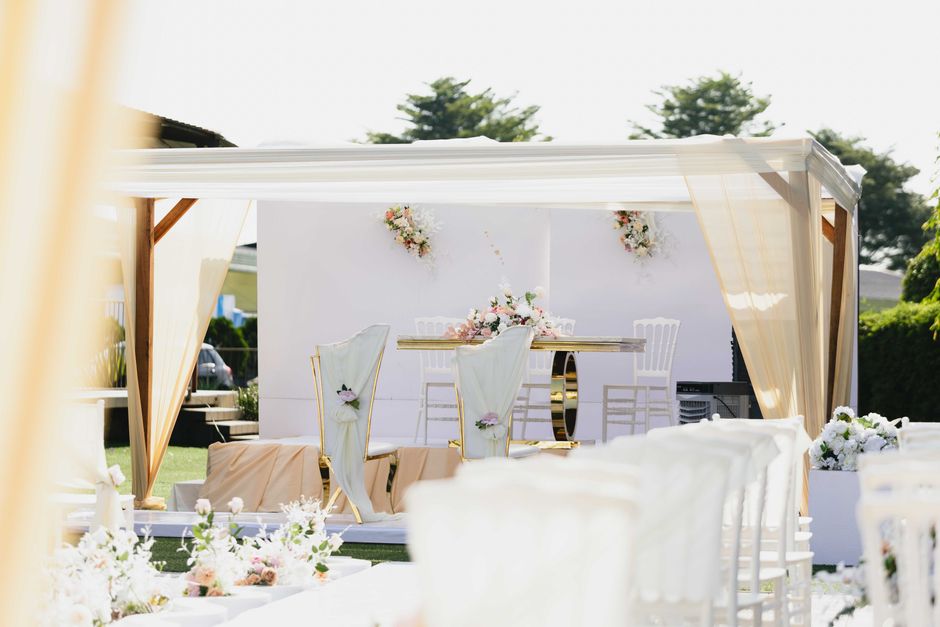
Table of Contents
- Why this Canbury Gardens wedding flower case study matters
- How the floral planning process works
- Key benefits and practical advantages
- Who this is for and when it makes sense
- Step-by-step guidance
- Expert tips for better results
- Common mistakes to avoid
- Tools, resources and recommendations
- Law, compliance, standards, or best practice
- Options, methods, or comparison table
- Case study or real-world example
- Practical checklist
- Conclusion
- Frequently asked questions
Why Kingston wedding flowers case study a Canbury Gardens ceremony Matters
A wedding flower plan for Canbury Gardens is not the same as a plan for a grand hotel, a church with a fixed floral footprint, or a modern city venue with hard edges and bright lighting. The setting changes the brief. That is the first thing couples sometimes miss.
Canbury Gardens has a relaxed, open feel, with natural light and soft surroundings that can make florals look beautiful without overcomplicating the design. That sounds simple, but it is actually a big advantage. When the space already has charm, the flowers do not need to do all the heavy lifting. They just need to be clear, well-coloured, and in scale with the ceremony.
This is why a Kingston wedding flowers case study is useful. It shows how styling decisions are made in context. For example, a small hand-tied bouquet may read as delicate and refined outdoors, while a very large, formal arrangement could feel a bit overdone. Equally, a modest ceremony arch or aisle arrangement can be more effective than a heavy install that blocks sightlines. Simple, but not simplistic. There is a difference.
For local couples, the practical value is even clearer. Kingston weddings often involve moving between locations, dealing with timing around traffic, and working with a ceremony space that may be shared or set up quickly. Flowers need to travel well, be easy to place, and hold their shape through the day. That is the sort of detail a good florist thinks about long before the first stem is cut.
If you are also exploring broader flower options for the wider celebration, it can help to review the venue-adjacent offer at wedding flowers and collections alongside the more location-specific planning. The ceremony flowers are only one part of the picture, after all.
How Kingston wedding flowers case study a Canbury Gardens ceremony Works
The basic process is straightforward, but the detail matters. In a ceremony like this, flower planning usually starts with three questions: what does the venue need visually, how much practical handling will the flowers need, and what is the couple's overall style?
From there, the florist will usually work through a sequence like this:
- Assess the setting. Look at the size of the ceremony area, the natural light, the backdrop, and the movement of guests.
- Define the floral roles. Decide what the flowers are meant to do: frame the couple, guide the eye, soften the aisle, or bring colour to photos.
- Choose the palette. Pick colours that suit the season, the outfits, and the feel of the garden setting.
- Select the mechanics. Decide whether arrangements are hand-tied, foam-free, water-fed, reusable, or built for quick placement.
- Plan transport and timing. Make sure the flowers arrive fresh and can be installed without stress. Stress is never pretty, by the way.
- Check the afterlife of the flowers. Can bouquets be repurposed for the reception, gifted, or reused on tables?
In a Canbury Gardens ceremony, the smartest floral work usually stays elegant and practical. You do not need every surface covered. You need the right visual moments in the right places. A bouquet, a buttonhole, a few focal arrangements, and perhaps some table pieces may be enough if they are chosen well.
For bride and bridesmaid pieces, browse the site's dedicated bridal range such as a soft bridal bouquet style or a more expressive option from the wedding collection. For the groom, buttonholes are a small detail that can quietly pull everything together, especially in photos when the whole group is standing in bright daylight and everyone suddenly notices lapels.
There is also a logistical point here. Flowers for outdoor or semi-outdoor ceremonies need to handle wind, warmth, and waiting around. Blooms that look perfect in a cool workshop can change a lot once they are outside. That is normal. The planning has to allow for it.
Key Benefits and Practical Advantages
A well-planned wedding flower setup for Canbury Gardens gives you more than a beautiful display. It improves how the ceremony feels, how easily it runs, and how well the photos hold up later.
- Better visual balance. Garden ceremonies can look overcrowded if the flowers are too large or too many. The right design creates harmony instead of clutter.
- Stronger photos. Flowers frame faces, soften edges, and add depth. A thoughtful bouquet or backdrop can make even simple ceremony images look richer.
- Less day-of stress. When flower pieces are planned for quick placement and easy movement, the set-up is calmer. Calm is underrated.
- Better value from each stem. Repurposable arrangements can move from ceremony to reception, which makes the spend work harder.
- More personal style. A flower plan built around your taste feels more memorable than a generic package.
Practicality is a benefit too. In a real wedding day, you want items that are easy to carry, easy to pin, easy to move, and not fussy about where they sit. A bouquet should feel comfortable in the hand. Buttonholes should stay neat. Table arrangements should not block conversation. Sounds obvious, but it is often where plans wobble.
Expert summary: In a venue like Canbury Gardens, the best floral designs are the ones that look natural, photograph well, and move easily through the day. Beauty is important, yes. But beauty plus practicality is what makes the setup feel seamless.
Who This Is For and When It Makes Sense
This kind of floral approach suits a few different couples. You may be one of them if you are planning a local Kingston wedding and want flowers that feel polished without becoming overblown. Or maybe you are drawn to the garden setting and want something romantic, but not too formal. Fair enough.
It also makes sense if you are:
- planning a small to medium wedding ceremony
- working with a tight turnaround between locations
- wanting flowers that can be reused across ceremony and reception
- looking for a style that feels seasonal and local rather than generic
- balancing aesthetics with budget, which most people are, honestly
- trying to choose between a few floral priorities instead of ordering everything
If you are unsure whether your ceremony needs a full floral installation or just a handful of carefully chosen pieces, ask one question: what will people actually see in the key photos? That usually gives you the answer. If the ceremony backdrop is already attractive, you may need less than you think. If the space feels visually sparse, then a few more considered arrangements may be worth it.
For couples who want something straightforward, the site's broader wedding and bridal options can help. The bridal bouquet, bridesmaid bouquet, and buttonhole collections make it easier to build a consistent look without overthinking every individual stem. And sometimes that is exactly what you need.
Step-by-Step Guidance
Here is a practical way to plan wedding flowers for a Canbury Gardens ceremony without getting lost in the details.
1. Start with the ceremony setting
Look at the ceremony area at the same time of day if possible. Light changes everything. Morning and late afternoon can both look beautiful, but they affect how colours read and how shadows fall. White flowers can glow; pale pinks can flatten if the light is too bright; deeper tones can become the star of the show.
2. Decide the floral purpose of each piece
Not every item needs to do the same job. The bouquet is for the bride, yes, but it also anchors the overall palette. Buttonholes are subtle markers of style. Bridesmaid bouquets should support, not compete. Table arrangements, if used, should help the room feel connected.
3. Choose a palette that fits the venue
For Canbury Gardens, natural and softly romantic palettes tend to work well: whites, creams, blush, greens, and muted pastels. That does not mean you cannot use colour. You can. Just make sure it feels deliberate. A few stronger accents can be lovely if they repeat in the bouquet, buttonholes, or table flowers.
4. Match flower types to reliability
Some flowers are more forgiving than others. In a ceremony setting, you usually want blooms that hold their shape and look fresh for several hours. Roses, lisianthus, orchids, alstroemeria, hydrangeas, and seasonal mixed stems can all be used well, depending on the season and style. The point is not to chase novelty. It is to choose flowers that work in the real world.
5. Build from the main items outward
Start with the bride's bouquet, then decide bridesmaid bouquets, buttonholes, and any ceremony or table pieces. That keeps the design coherent. It also prevents the classic last-minute panic of "we forgot the groom". Happens more than people admit.
6. Plan transport and holding time
Ask how the flowers will be stored before the ceremony and how they will be moved to the venue. If there is a gap between delivery and set-up, you want arrangements that can sit safely without drooping or drying out too quickly.
7. Reuse wherever sensible
Flowers can often be moved from ceremony to reception with little effort if the design is planned that way. A bouquet can be used for portraits. Larger pieces can sometimes shift to the top table or welcome area. That is both practical and budget-friendly.
Expert Tips for Better Results
There are a few small decisions that make a surprisingly big difference.
- Keep the bouquet in scale with the dress and frame. A very large bouquet can swallow delicate details. A very tiny one can disappear in photographs. Balance is everything.
- Use one or two hero flowers, not five. Too many focal blooms can make the design feel busy. A clear structure is more elegant.
- Repeat colours across the wedding party. A ribbon, a buttonhole flower, or a bridesmaid accent can quietly tie the whole look together.
- Do a sightline check. If guests need to see the couple across a short ceremony space, keep tall arrangements out of the way.
- Design for movement. You will be walking, turning, greeting, hugging, and probably standing in a slightly awkward line at some point. Flowers should not make that harder.
- Choose a finish that suits the venue. Garden weddings usually look best when the flowers feel organic rather than rigid.
One more thing. If you are splitting decisions between family opinions, Pinterest inspiration, and your own instincts, trust the venue first. The setting is the quiet referee. It usually knows what works.
For more structured wedding flower options, the collection pages such as a white-led wedding collection or a romance-focused collection can help you narrow your direction without starting from scratch.
Common Mistakes to Avoid
Most wedding flower mistakes are not dramatic. They are small misjudgements that become visible only on the day.
- Choosing flowers that are too large for the space. Big arrangements can overwhelm a garden ceremony and make guests feel boxed in.
- Ignoring timing. Flowers delivered too early, or too late, can lose freshness or create pressure for the set-up team.
- Mixing too many styles. If every bouquet feels like a different wedding, the whole look loses cohesion.
- Forgetting practical handling. Heavy bouquets, awkward stands, or fragile petals can turn into real annoyances.
- Not planning for weather. Outdoor and semi-outdoor settings need a little flexibility. Wind, warmth, and sudden rain are all part of British wedding life. Charming, eh?
- Leaving buttonholes until the last minute. Small items are easy to overlook, which is precisely why they get forgotten.
A less obvious mistake is overfocusing on the bouquet and underplanning the rest. The bouquet matters a lot, of course, but the ceremony feels more finished when the supporting pieces are considered too. One good bouquet and no thought for the rest can feel oddly unfinished in photos.
To be fair, not every couple needs a large floral plan. The mistake is not having a smaller plan. The mistake is having no plan at all, then trying to improvise on the morning. That rarely ends well.
Tools, Resources and Recommendations
You do not need complicated tools to plan wedding flowers well, but a few simple resources make the process easier.
- A mood board. Keep it tight. A few images are better than fifty.
- Venue photos. Even phone pictures of the ceremony space are useful for scale and light.
- A colour reference. Bridesmaid dresses, suit swatches, ribbon samples, and table linen colours all matter.
- A delivery checklist. Note timings, contact names, and the order in which each floral item is needed.
- A repurposing plan. Decide in advance which pieces will move to the reception.
Within the florist's range, a few product categories are especially helpful for wedding planning:
- bridal bouquets for the main visual anchor
- bridesmaid bouquets for colour balance and continuity
- buttonholes for the groom and key guests
- table arrangements for the reception flow
- corsages when you want subtle, wearable detail
If you are still deciding on the general style, the wider all flowers and luxury flowers collections can help you compare mood, colour, and budget level before you lock anything in.
Law, Compliance, Standards, or Best Practice
Wedding flowers are not heavily regulated in the way some trades are, but there are still a few best-practice areas worth taking seriously.
Delivery accuracy matters. Flowers need to arrive at the right place, at the right time, in the right condition. In a wedding context, that is not a small detail. A missed delivery window can affect the whole sequence of the day.
Safety and access matter. Arrangements should not block exits, create trip hazards, or interfere with ceremony flow. That is especially relevant in outdoor or semi-public spaces where people move around more freely.
Product information should be clear. Couples should know what is included, what may vary seasonally, and how substitutions are handled if a bloom is unavailable. This is standard good practice and saves awkward surprises.
Care instructions matter. A florist should be able to explain how to keep flowers fresh before the ceremony, especially if there is a delay between delivery and use. Simple guidance can make a real difference.
Policies should be understood. For any wedding order, it is sensible to read the florist's delivery, returns, payment, privacy, and terms information in advance. The site's policy pages exist for a reason, and they are worth checking before you confirm anything.
In practical terms, the best approach is simple: ask clear questions, get clear answers, and do not assume anything. Weddings are emotional enough without vague logistics.
Options, Methods, or Comparison Table
When planning flowers for a Canbury Gardens ceremony, most couples choose between a few common methods. Each has its own balance of cost, impact, and flexibility.
| Option | Best for | Strengths | Possible drawbacks |
|---|---|---|---|
| Minimal bouquet-led styling | Small ceremonies, tight budgets, simple outdoor settings | Elegant, affordable, easy to manage | Less visual impact if the venue feels plain |
| Balanced ceremony set | Most Kingston weddings | Good mix of bouquet, buttonholes, and a few focal pieces | Needs more coordination than a very simple plan |
| Full floral styling | Couples wanting a strong design statement | High impact, cohesive photos, more immersive atmosphere | Higher cost, more set-up time, more moving parts |
| Repurposed ceremony flowers | Budget-conscious or sustainability-minded couples | Better value, less waste, easier to justify larger pieces | Requires careful planning and timing |
If you are unsure which route to take, the balanced ceremony set is usually the safest starting point. It gives you enough visual presence without making the day feel over-styled. That is often the sweet spot.
Case Study or Real-World Example
Here is a realistic example of how a Kingston wedding flowers plan might come together for a Canbury Gardens ceremony.
A couple wants something romantic, light, and local. They are not after a ballroom arrangement. They want a ceremony that feels like them: relaxed, polished, and quietly elegant. The garden setting already gives them natural charm, so the florist keeps the flowers refined rather than oversized.
The floral plan includes:
- a bridal bouquet with white and blush tones
- two bridesmaid bouquets kept slightly smaller but visually linked
- simple buttonholes for the groom and key family members
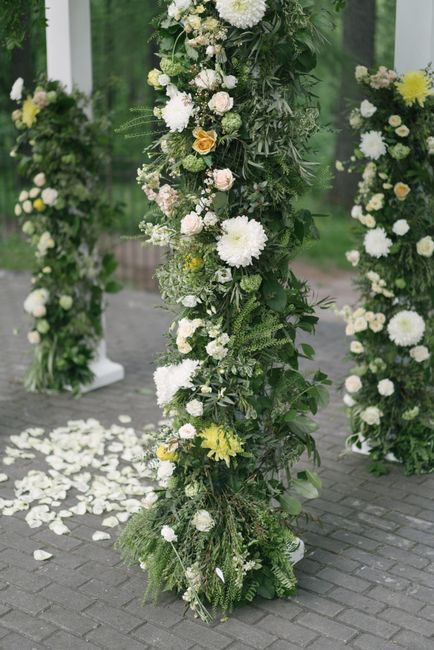
- one or two focal ceremony pieces to frame the couple
- table flowers moved to the reception afterwards
The key decision is not to overbuild. Instead of creating a heavy display that dominates the view, the florist focuses on shape, freshness, and movement. The bouquet carries soft texture; the buttonholes echo the main flower choice; the ceremony pieces are placed so guests can see clearly. No one is craning their neck around a giant arrangement. Lovely.
What makes this work is the logic behind it. The flowers match the venue scale, suit the natural light, and allow easy movement between ceremony and reception. The couple gets a coherent look without paying for unnecessary volume. And the photos? Calm, airy, and full of life rather than clutter.
That is the real lesson of a Kingston wedding flowers case study a Canbury Gardens ceremony. The strongest floral choices are usually the ones that understand the venue first and the trend second.
Practical Checklist
Use this checklist to keep your wedding flower planning grounded.
- Have you confirmed the ceremony location and timing?
- Do you know the size and layout of the space?
- Have you chosen a colour palette that fits the venue and outfits?
- Are the bouquet, buttonholes, and bridesmaid flowers working together visually?
- Have you decided which arrangements will be reused later?
- Do you know who is responsible for receiving and placing the flowers?
- Have you checked delivery timing and access details?
- Are you clear on what flowers may be seasonal substitutions?
- Have you allowed for weather, transport, and handling?
- Do you have a final plan for table flowers, if needed?
If you can tick most of those off, you are in good shape. If not, no panic. It just means there are a few loose ends to sort before the day gets busy.
Quick takeaway: for a Canbury Gardens ceremony, choose flowers that suit the scale of the space, travel well, and support the photos rather than competing with them. That simple rule saves a lot of fuss.
Get a free quote today and see how much you can save.
Conclusion
A thoughtful Kingston wedding flowers plan for Canbury Gardens is really about fit. Fit for the venue, fit for the timeline, fit for the couple, and fit for the way the day will actually unfold. The best flowers do not shout for attention. They make the ceremony feel complete.
If you remember only one thing, let it be this: design for the space you have, not the fantasy version of it. That is how you get flowers that feel natural, elegant, and memorable for the right reasons. And truth be told, that is what most couples are really after.
When the bouquet is right in your hands and the ceremony space feels calm and considered, everything else tends to fall into place a little more easily. That is a good feeling. A very good one.
Frequently Asked Questions
What makes a Canbury Gardens ceremony different for wedding flower planning?
Canbury Gardens has a relaxed, outdoor-friendly feel, so flowers usually work best when they are elegant, natural, and scaled to the space rather than overly formal or oversized.
How far in advance should I plan wedding flowers in Kingston?
It is sensible to start early enough to discuss style, seasonality, and logistics, especially if you want a particular flower type or a coordinated ceremony-to-reception setup. Exact timing depends on your wedding date and florist availability.
Which flowers suit a garden ceremony best?
Soft romantic blooms such as roses, lisianthus, orchids, hydrangeas, and mixed seasonal flowers often work well because they photograph beautifully and feel in keeping with a garden setting.
Do I need a full floral installation for Canbury Gardens?
Not necessarily. Many couples get better results from a focused plan with a bridal bouquet, buttonholes, bridesmaid flowers, and one or two focal ceremony pieces.
Can wedding flowers be reused after the ceremony?
Yes, often they can. Bouquets, focal pieces, and table arrangements are commonly moved or repurposed for the reception if the original design allows for it.
What is the most important flower item to prioritise?
For many couples, the bridal bouquet is the main priority because it appears in so many photos. That said, the overall look is stronger when the supporting pieces are planned too.
How do I keep wedding flowers fresh on the day?
Keep them cool, shaded where possible, and delivered as close to the ceremony time as practical. Your florist should give care instructions based on the specific flowers used.
Should bridesmaid bouquets match the bride's bouquet exactly?
They do not have to match exactly. In fact, a slightly smaller or simplified version often looks more balanced while still tying into the same palette.
Are seasonal flowers better for a Kingston wedding?
Seasonal flowers often offer better freshness, easier availability, and a more natural look. They can also feel more in tune with the time of year, which suits a garden ceremony well.
What should I ask a florist before booking wedding flowers?
Ask about delivery timing, substitutions, bouquet size, set-up support, reuse options, and how the flowers will suit the venue. Clear answers upfront make the whole process easier.
Can I have a simple wedding flower package and still make it look special?
Absolutely. Simplicity can look very refined when the palette is right and the pieces are chosen with care. A few well-made floral elements often have more impact than a lot of busy detail.
What is the biggest mistake couples make with wedding flowers?
The biggest mistake is often planning flowers in isolation instead of in relation to the venue, the dress, the timing, and the flow of the day. Once those pieces work together, the result usually feels much stronger.